
Understanding Grind Size
One of the most overlooked variables in brewing great coffee is grind size. You can buy incredible beans, use filtered water, and follow a recipe perfectly — but if your grind size is off, your coffee will suffer.
Understanding grind size helps you control flavor, extraction, and consistency, whether you’re brewing at home or dialing in on a coffee cart.
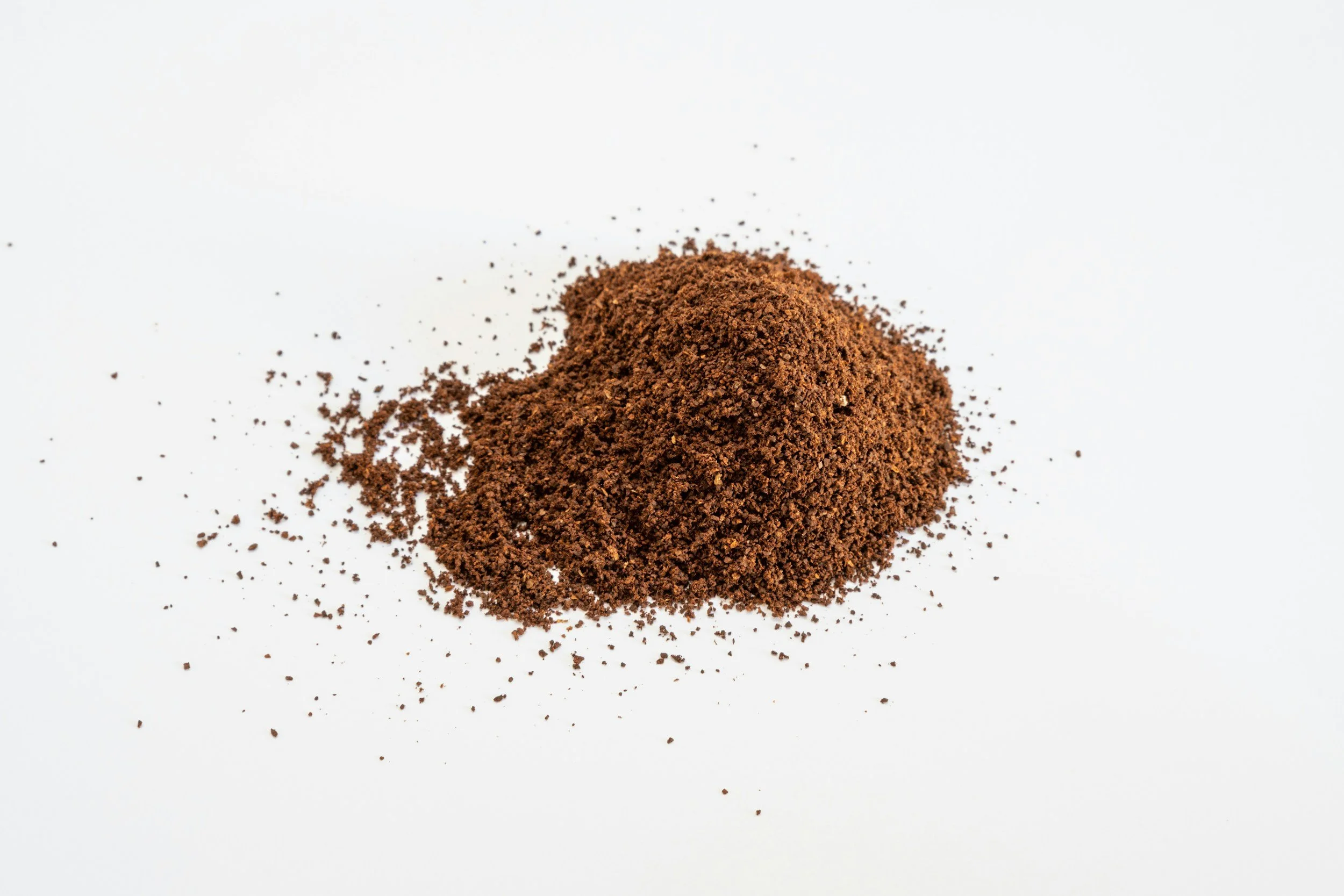
What Is Grind Size?
Grind size refers to how coarse or fine coffee beans are ground before brewing. The grind determines how quickly water extracts flavors from the coffee.
Finer grinds slow water flow and extract more quickly
Coarser grinds allow water to pass through faster and extract more slowly
The goal is to find the grind size that matches your brewing method so extraction happens evenly.
Why Grind Size Matters
Grind size directly impacts extraction — how much flavor is pulled from the coffee grounds.
Under-Extraction (Too Coarse)
When the grind is too coarse:
Sour, thin, or hollow flavors
Weak body
Short brew time
Over-Extraction (Too Fine)
When the grind is too fine:
Bitter, harsh flavors
Dry, astringent finish
Sluggish or stalled brews
A well-matched grind size creates balance, sweetness, clarity, and body.
Grind Size by Brew Method
Different brew methods require different grind sizes due to contact time and filtration.
Extra Fine:
Best for: Turkish coffee
Powdery texture
Extremely high extraction
Fine:
Best for: Espresso
Similar to powdered sugar
Allows pressure to build for proper shot time
Medium-Fine:
Best for:
AeroPress (short brew)
Some pour-over recipes
Medium:
Best for:
Drip coffee makers
Flat-bottom pour-over brewers
Medium-Coarse:
Best for:
Cone pour-over (V60)
Chemex (depending on filter)
Coarse:
Best for:
French press
Cold brew
How to Adjust Grind Size Correctly
Instead of changing everything at once, adjust only the grind size first when dialing in.
Taste-Based Adjustments
Coffee tastes sour or weak → grind finer
Coffee tastes bitter or drying → grind coarser
Make small changes — even tiny adjustments can dramatically impact flavor.
Burr Grinders vs Blade Grinders
Grind consistency matters just as much as grind size.
Burr Grinders (Recommended)
Uniform particle size
Better flavor clarity
More control
Blade Grinders
Inconsistent grind
Uneven extraction
Harder to repeat results
A quality burr grinder is one of the best investments you can make for better coffee.
Final Thoughts: Grind Size Is Control
Grind size gives you control over how your coffee tastes. Once you understand how grind size affects extraction, brewing becomes more intuitive — and far more consistent.
If there’s one takeaway:
When coffee tastes off, adjust the grind first.
That single habit will improve your coffee more than almost any other change.